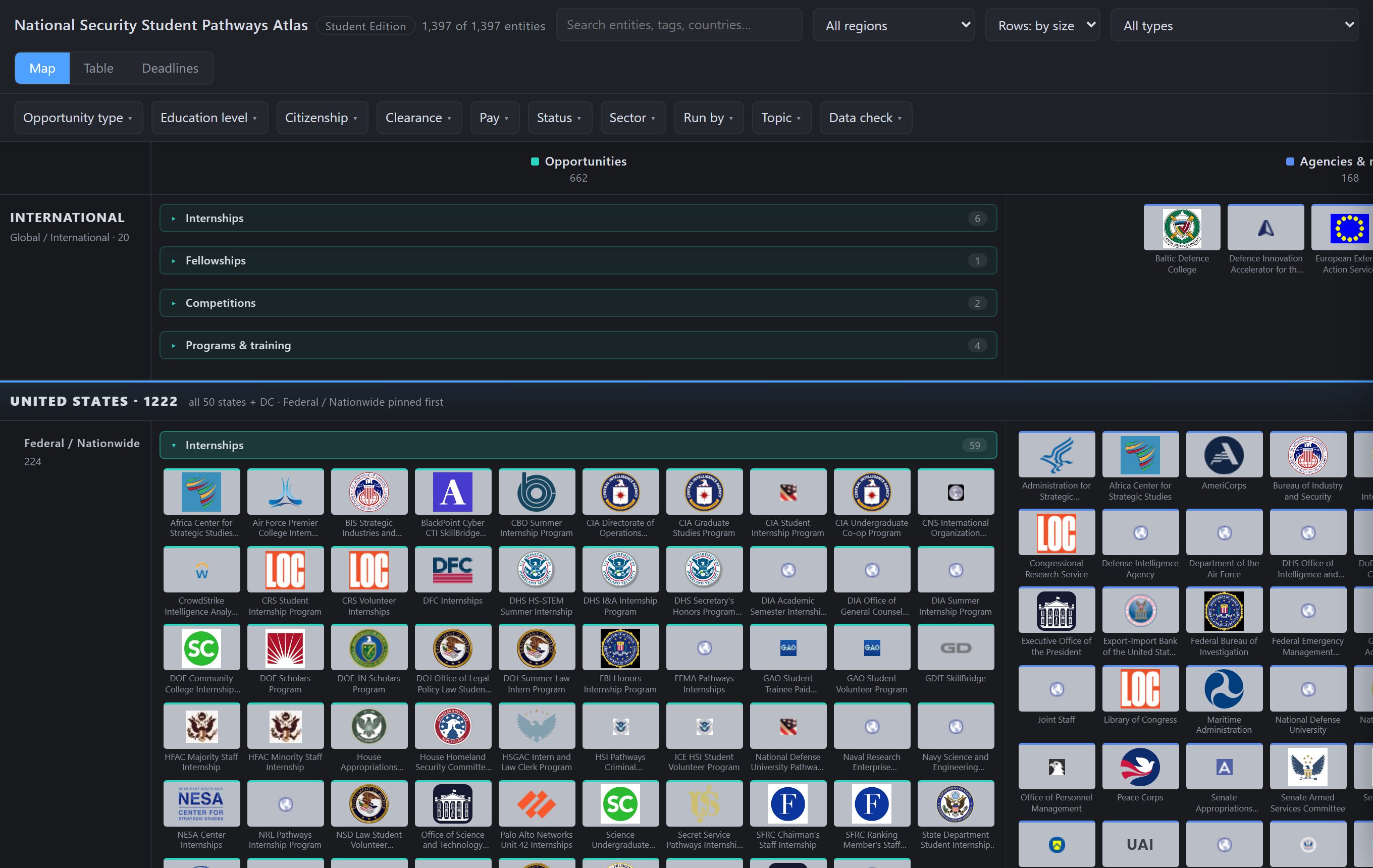
The National Security Student Pathways Atlas is a free map of the internships, fellowships, scholarships, summer programs and degree paths across the intelligence community, the military, federal agencies, labs, think tanks and industry — who can apply, whether it pays, whether it needs a clearance, and when the deadline is. Every entry links to the official page it was checked against.
Four steps take you from the whole map to your own shortlist.

The first column groups every opportunity by kind — click a group to open it.

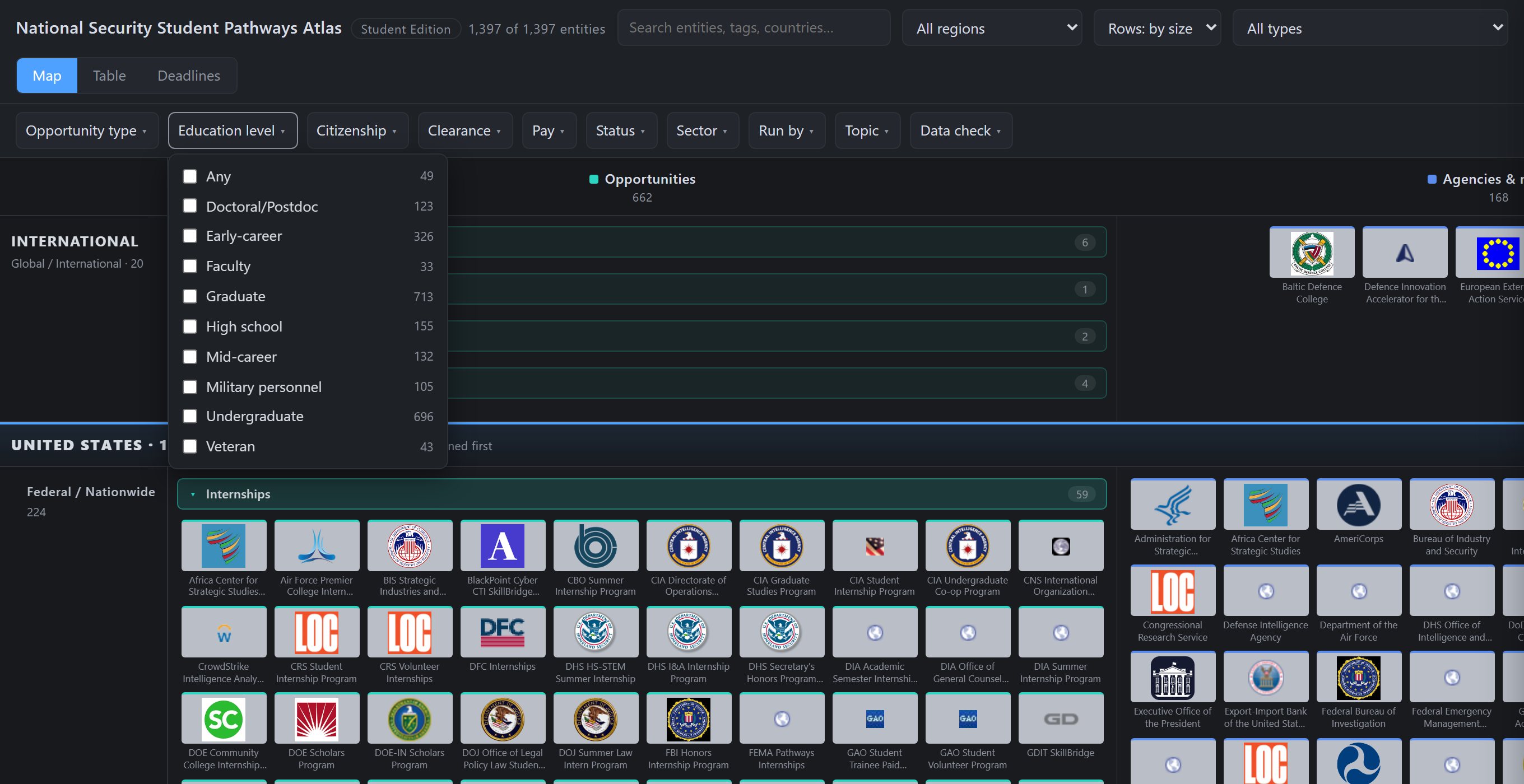
Narrow the list by education level, citizenship, clearance, pay and status.

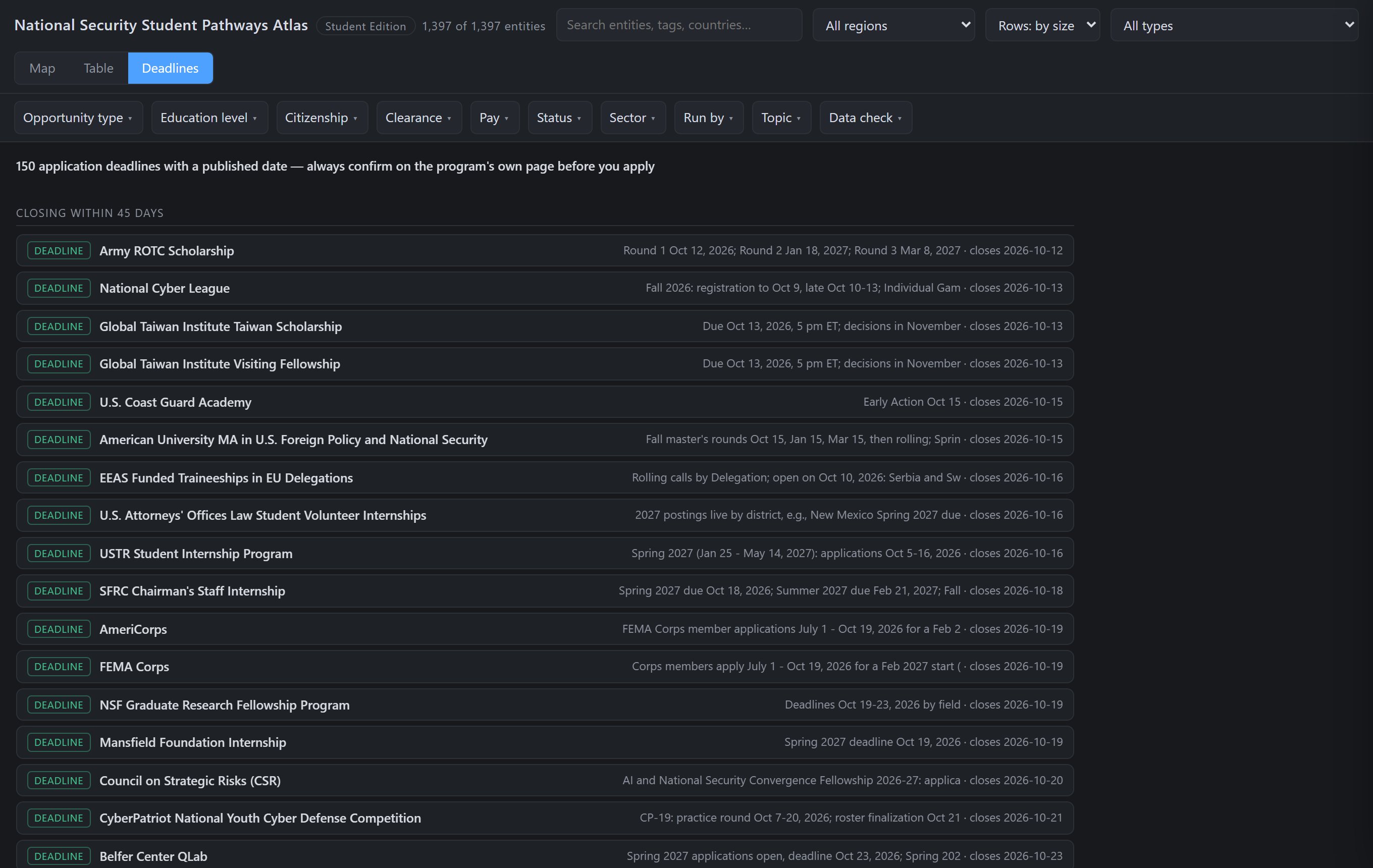
See every published deadline in one list, soonest first.

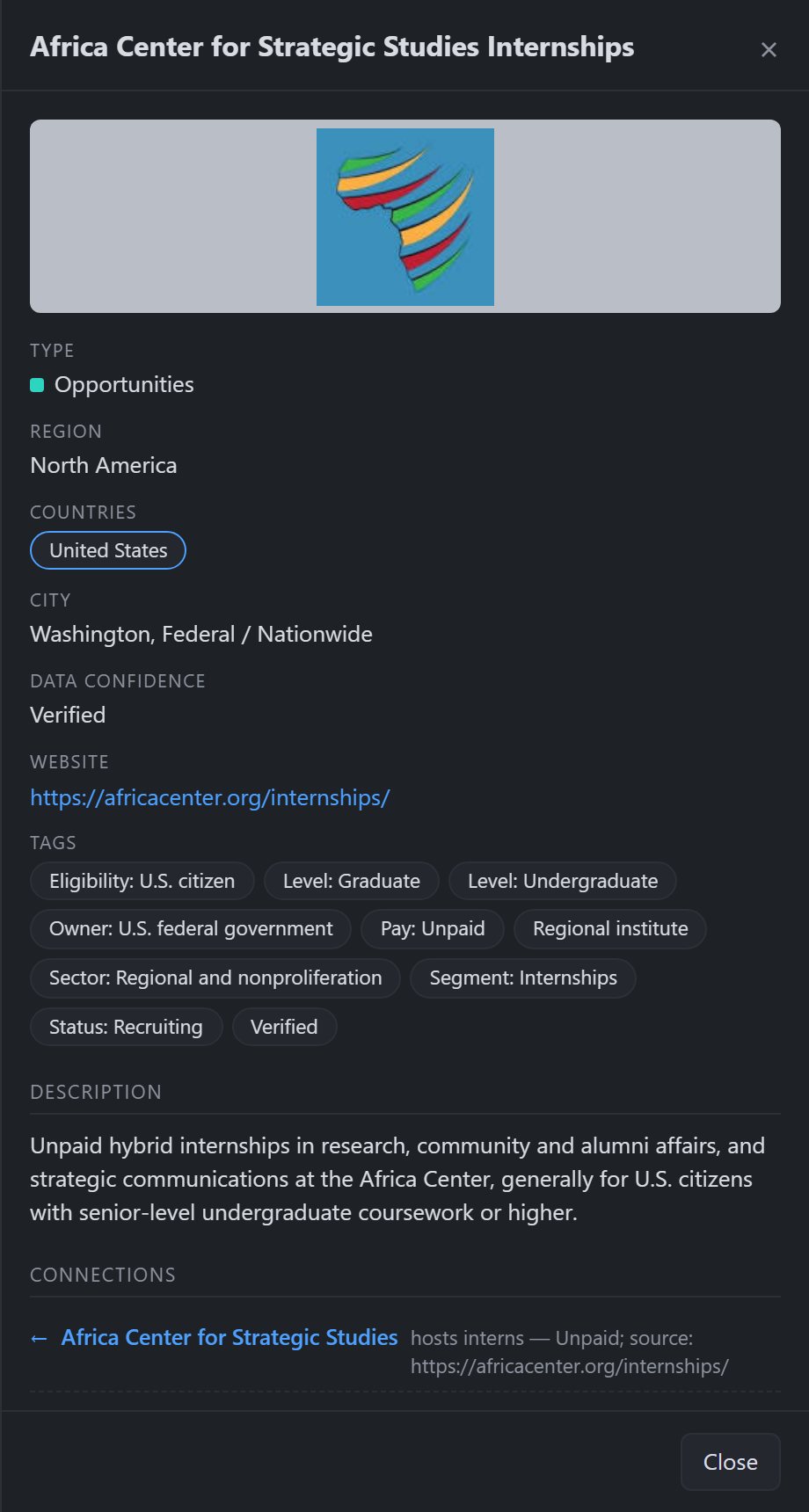
Click any tile for who can apply, pay, clearance and the official link.
Always confirm dates and eligibility on the program's official page before you apply.
Application deadlines from the atlas and events worth a spot on your calendar, through Dec 26, 2026. Dates were checked against official pages — still confirm on the program's own site before you apply.
Oct26
Spring 2027 Internships (incl. Transatlantic Defense and Security)
Center for European Policy Analysis (CEPA)
Unpaid; virtual or in person in DC; 8 tracks incl. Transatlantic Defense and Security, Tech Policy
today
Oct26
Spring and Summer 2027 Editorial Internships
POLITICO
Paid $23/hr; reporting, photo, audio/video roles; Arlington HQ plus CA, NY, FL and NJ bureaus
today
Oct28
ISA 2027 Annual Convention: participant pre-registration
International Studies Association
Pre-registration deadline for program participants; Atlanta, Mar 21-24, 2027 (online Mar 2-5)
in 2 days
Oct30
FY2027 NDSEG Graduate Fellowship
U.S. Department of Defense (NDSEG Fellowship Program)
U.S. citizens/nationals in STEM PhD study; DoD-funded fellowship; closes 5 PM Eastern
in 4 days
Oct30
INDSR Internship, March-May 2027
Institute for National Defense and Security Research (Taiwan)
International undergrad and master's students or recent grads; unpaid; on site in Taipei
in 4 days
Oct30
Spring 2027 Minority Staff Internship, House Foreign Affairs Committee
House Foreign Affairs Committee Democrats
Paid; Capitol Hill, Jan 19-May 14, 2027; legal track for law students is rolling
in 4 days
Oct30
Summer 2027 Technical Internships
The Aerospace Corporation
Rising sophomores to grad students; on site; 5 postings close Oct 30, others Nov 6 or Feb 26, 2027
in 4 days
Oct31
2026 Energy Highlights Article Competition
NATO Energy Security Centre of Excellence
NATO/partner nationals; open category plus ages 14-20 and 21-29; EUR 500 top prize and publication
in 5 days
Oct31
EUCOM Volunteer Internship (summer and year-round tracks)
U.S. European Command
U.S.-citizen college students 18+; unpaid; Stuttgart, Germany; Secret clearance investigation
in 5 days
Oct31
International Affairs Junior Fellowship (2027 start)
U.S. Department of the Treasury
New or soon bachelor's grads, U.S. citizens; usually hired at GS-9; start summer 2027
in 5 days
Oct31
Voice of Democracy and Patriot's Pen Essay Contests 2026-27
Veterans of Foreign Wars (VFW)
Grades 6-12; entries go to a local VFW Post by midnight; top scholarship $35,000
in 5 days
Oct31
Winter/Spring 2027 Internship
American Security Project
Rising juniors and up; unpaid with WMATA transit stipend; Jan-May 2027 in DC; rolling review
in 5 days
Nov1
2027-28 Princeton in Asia Fellowship
Princeton in Asia
College graduates; year-long work fellowships with host organizations in Asia, most starting Aug 2027
in 6 days
Nov1
2027-28 Science & Technology Policy Fellowship
American Association for the Advancement of Science (AAAS)
Doctoral-degree scientists and engineers (or MS engineering + 3 yrs), U.S. citizens; federal policy year
in 6 days
Nov1
2027-29 Postdoctoral Fellowship in Technology and International Security
UC Institute on Global Conflict and Cooperation, with Los Alamos and Livermore labs
New PhDs (degree by Sept 1, 2027); salaried 2-year postdoc in Washington, DC with lab engagement
in 6 days
Nov1
Spring 2027 Internship
Chicago Council on Global Affairs
Spring term January-May in Chicago; internships unpaid unless otherwise noted
in 6 days
Nov1
Spring 2027 Student Volunteer Program
U.S. Drug Enforcement Administration (DEA)
U.S.-citizen high school and college students; unpaid; 6-month volunteer placement
in 6 days
Nov2
2027 Nuclear Scholars Initiative
CSIS Project on Nuclear Issues (PONI)
Grad students and early-career professionals; year-long nuclear policy cohort; CV + 1 rec letter
in 7 days
Nov2
2027 Winter Honors Program
American Enterprise Institute (AEI)
Undergraduates 18+; fully funded seminar Jan 5-9, 2027 in Charleston, SC; stipend
in 7 days
Nov4
Spring 2027 Research Internship
American Foreign Policy Council (AFPC)
Unpaid; January-April in DC; at least 20 hours a week with flexible schedule
in 9 days
Nov5
Civil Service Fast Stream (2027 intake)
UK Civil Service
Graduates (2:2 or above) meeting UK nationality rules; schemes start Sep or Oct 2027; closes midday
in 10 days
Nov5
Summer 2027 International Affairs Internship Program
The Fund for American Studies (TFAS)
Undergrads; Jun 2-Jul 31, 2027 in DC with courses; Nov 5 is the early deadline, final Feb 8
in 10 days
Nov6
Spring 2027 Research Assistant Internship
Wilson Center
Students and recent grads; paid; research support for a Wilson fellow; starts early January
in 11 days
Nov6
Spring 2027 Staff Assistant Internship
Wilson Center
Students and recent grads; paid hourly ($15+); 20-35 hours a week; apply by email as one PDF
in 11 days
Nov7
Spring 2027 Foreign Policy Internship
Brookings Institution
Degree-seeking students; paid; cohorts start Jan 19 or Feb 1, 2027; selections by Dec 18
in 12 days
Nov8
Pathfinder 2026 National Security Essay Contest
Center for a New American Security (CNAS)
Grad students and early-career professionals; 800-1,000-word essay; $1,000 first prize
in 13 days
Nov8
Spring 2027 Young Global Professionals Internship
Atlantic Council
Juniors, seniors, grad students and recent grads; Jan 19-May 28, 2027, mostly in DC; opens Oct 19
in 13 days
Nov11
Spring 2027 Internship
Near East South Asia Center for Strategic Studies (NESA, NDU)
Unpaid; Washington, DC; email resume, cover letter and a 500-word statement
in 16 days
Nov12
2027-28 NSLI-Y Language Scholarship
U.S. Department of State
U.S. high school students; merit-based scholarship for summer or year abroad studying critical languages
in 17 days
Nov13
Spring 2027 Research and Analysis Internships
Institute for the Study of War (ISW)
Work-authorized, in the U.S.; Jan 12-May 14, 2027 in DC; need-based stipend up to $1,000/month
in 18 days
Nov13
Summer 2027 Internship (May-July)
George C. Marshall European Center for Security Studies
Enrolled university students; unpaid, no housing or travel support; Germany; email applications only
in 18 days
Nov15
Spring 2027 Internship
Niskanen Center
Must be authorized to work in the U.S.; stipend up to $1,000 a month; runs Jan 12 to May 7, 2027
in 20 days
Nov15
Spring 2027 M.A. Admission and Scholarship Deadline
The Institute of World Politics
New M.A. applicants: apply by this date to be considered for merit- and need-based scholarships
in 20 days
Nov16
Humanities at Hertog: Winter 2027 Online Seminars
Hertog Foundation
Students, recent grads and young professionals 35 and under; online; $150 gift card on completion
in 21 days
Nov16
Intelligence Development Program, 2028 Intakes
Australian Security Intelligence Organisation (ASIO)
Australian citizens only; 12-month intelligence analyst program in Canberra; AUD 100,425 to 118,220
in 21 days
Nov17
Critical Language Scholarship, Summer 2027
Critical Language Scholarship Program (U.S. Department of State)
U.S. undergrad and grad students; 8 weeks of intensive summer language study; due 8 PM Eastern
in 22 days
Nov30
Clarke Diplomatic Security Fellowship, 2027 Cohort
U.S. Department of State
U.S. citizens entering junior year or grad school in fall 2027; path to DSS agent; early review Nov 19
in 35 days
Nov30
Stanton Nuclear Security Fellowship 2027-28
Council on Foreign Relations
U.S. citizen PhDs and postdocs in nuclear security; $110,000 stipend for 2027-28
in 35 days
Nov30
Summer 2027 High School Navy Lab Internship (SEAP)
Office of Naval Research
U.S. citizen high schoolers, 16+, past grade 9; 8 weeks at Navy labs; $4,000 stipend
in 35 days
Nov30
Summer 2027 Naval Research Internship (NREIP)
Office of Naval Research
U.S. citizen college students, rising sophomores and up; 10 weeks at Navy labs; $7,500 to $11,500
in 35 days
Nov30
Working Student, Professional Services (Berlin)
Planet Labs
Full-time students in GIS, CS, remote sensing or geography; 20 hours a week, hybrid in Berlin
in 35 days
Nov30
Yenching Academy Master's in China Studies, 2027 Entry
Yenching Academy of Peking University
Foreign passport holders; fully funded master's in Beijing; due 9:00 AM Beijing time (Nov 29 in U.S.)
in 35 days
Dec1
AWC Predoctoral and Postdoctoral Fellowships, 2027-28
Kissinger Center, Johns Hopkins SAIS (America in the World Consortium)
Ph.D. students and postdocs in grand strategy; a year in residence at SAIS, Duke or UT Austin
in 36 days
Dec1
Ernest May Fellowship in History and Policy, 2027-28
Belfer Center, Harvard Kennedy School
Pre- and postdocs, priority to historians; $55,000 to $65,000 stipend; letters due Dec 15
in 36 days
Dec1
Fall 2027 M.A. in Security Studies (Fee-Waiver Deadline)
Georgetown University, Walsh School of Foreign Service
Apply by Dec 1 for an application-fee waiver; final deadline Jan 15, 2027
in 36 days
Dec1
Graduate Degree Fellowship for Fall 2027
East-West Center
For master's or PhD study at UH Manoa; separate UH application needed; due 11:59 PM Hawaii time
in 36 days
Dec1
Homeland Security Master's, Cohort 2701/2702
Naval Postgraduate School Center for Homeland Defense and Security
U.S. government and military homeland security staff; free for most agencies; 3.0 GPA or equivalent
in 36 days
Dec1
International Security Program Fellowship, 2027-28
Belfer Center, Harvard Kennedy School
Predocs, postdocs and practitioners; $46,000 to $56,000 stipend; letters due Dec 15
in 36 days
Dec1
Managing the Atom Fellowship, 2027-28
Belfer Center, Harvard Kennedy School
Nuclear policy predocs, postdocs and professionals; $50,000 to $60,000 stipend; letters due Dec 15
in 36 days
Dec1
Master in Public Policy (MPP), Fall 2027 Entry
Harvard Kennedy School
Two-year policy master's; due 12 p.m. (noon) ET; financial aid application due Jan 15, 2027
in 36 days
Dec1
Spring 2027 LL.M. in Cyber, Intelligence and National Security Law
Antonin Scalia Law School, George Mason University
For law graduates (J.D. or equivalent); Arlington or online; F-1 visa applicants due Nov 1
in 36 days
Dec1
Summer 2027 Academy for Civic Education and Democracy
Ronald Reagan Institute
Undergrads 18+ with a 3.0 GPA; DC internship plus GWU course, Jun 6 to Jul 31; final deadline Jan 1
in 36 days
Dec2
Summer 2027 Academic Internship Program (Early Deadline)
The Washington Center
Undergrads (sophomore and up) earning credit; DC internship Jun 1 to Jul 30, 2027; regular deadline Jan 13
in 37 days
Dec4
Dellums SMART Scholarship for Incoming Freshmen, 2027
SMART Scholarship Program (Department of War)
High school seniors starting STEM degrees; full tuition, stipend and DoW internships; due 5 PM ET
in 39 days
Dec4
SMART Scholarship-for-Service, 2027 Awards
SMART Scholarship Program (Department of War)
STEM bachelor's, master's and PhD students; full tuition, $30k to $46k stipend, then a DoW job
in 39 days
Dec7
FAIT Fellowship, 2027 Cohort
U.S. Department of State
U.S. citizens in IT fields entering junior year or grad school in fall 2027; path to Foreign Service IT
in 42 days
Dec10
INMM Memorial Education Scholarship
Institute of Nuclear Materials Management (INMM)
INMM student members or 2025-26 grads; $1,000 cash award; self-nominations welcome
in 45 days
Dec15
Davis and Berger Graduate Fellowships, 2027-28
Temple University Center for the Study of Force and Diplomacy (CENFAD)
Temple history grad students; Davis diplomacy fellowship and Berger war-and-society award ($2,000+)
in 50 days
Dec15
PhD in International Relations, Fall 2027 entry
American University School of International Service
Full-time PhD in DC; admits usually get a Dean's Fellowship with full tuition and a stipend
in 50 days
Dec21
Direct Commission: packets for the March 2027 board
U.S. Army Recruiting Division
US citizens with a bachelor's and field experience can commission as Army officers; board meets Mar 15-19
in 56 days
Webinars on the Boren Awards, which fund study of critical languages abroad in return for a year of federal service: a general presentation (Oct 13), Ask Us Anything sessions (Oct 21, Nov 23, Dec 15), Crafting Competitive Essays (Nov 17) and Final Touches sessions (Jan 13 and Jan 20). Free Zoom webinars for U.S.
Event page ↗
The State Department's Critical Language Scholarship pays for summer study of languages such as Arabic, Chinese, Korean, Persian and Russian. These Zoom sessions cover each language group, how applications are judged, and open questions with CLS staff. Free Zoom info sessions, webinars and student office hours for undergraduate and graduate students applying to CLS.
Event page ↗
AFCEA's yearly Honolulu conference where U.S. Indo-Pacific Command, the military services and industry discuss AI, cyber resilience and command-and-control in the Pacific. Held at the Hilton Hawaiian Village. Free for academia: register in the Academia category with your .edu email, which AFCEA verifies. Full conference access includes keynotes, panels and the exhibit hall.
Event page ↗
MITRE's annual conference on the ATT&CK framework, the common map of attacker tactics and techniques that threat-intelligence and defense teams use to describe cyberattacks. Register for the virtual option to watch online (no price listed). There is no separate student rate;
Event page ↗
CFR's James M. Lindsay leads a conversation with students and educators on what the 2026 midterm elections mean for U.S. foreign policy. 1:00-2:00 p.m. ET. Made for college and university students and educators; register with the form on the page or by email with your name, title and academic affiliation.
Event page ↗
An online fair where admissions staff from APSIA's international affairs and public policy graduate schools answer questions on applications, joint degrees, financial aid and careers. 11:00am-1:45pm ET. Open to anyone thinking about graduate school or an international career; register online (registrants share their details with APSIA and its member schools).
Event page ↗
A space-system design competition for high school and middle school teams. Students plan satellite orbits and choose components and launch vehicles in timed online rounds from fall through February. High school and middle school teams compete in three online qualifying rounds and an online semifinal. The National Finals (Apr. 28-30, 2027) are for the top-scoring teams.
Event page ↗
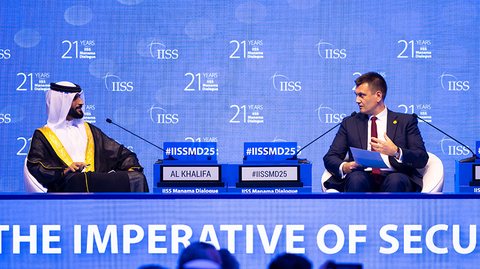
The Middle East's main security summit, where ministers and military leaders debate the region's foreign-policy, defense and security problems. This is the 22nd edition. No open student registration. Young people from the Middle East and North Africa can take part as full delegates through the IISS Young Leaders' Programme;
Event page ↗
The ninth Paris Peace Forum, at the Palais de Chaillot, brings governments and organizations together on conflict, technology, development and the planet. This year's edition centers on a Child Summit about children growing up with AI.
Event page ↗
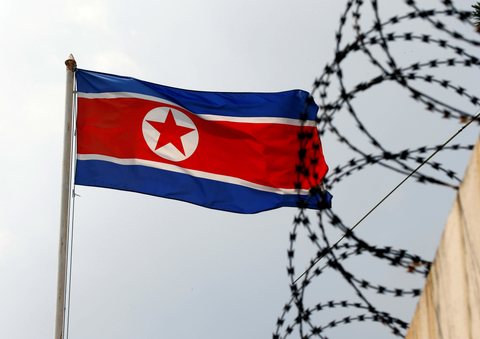
Jenny Town, director of the Stimson Center's 38 North program, leads a conversation with students and educators on North Korea's strategy. 1:00-2:00 p.m. ET. Made for college and university students and educators; register with the form on the page or by email with your name, title and academic affiliation.
Event page ↗
CSAW is the largest student-run cybersecurity games and conference, with 12 challenges including Capture the Flag, embedded security, a cyber policy competition and an AI hardware attack challenge. Finalists compete in person in November, and there is a career fair the same week. Student-run event for high school through doctoral students.
Event page ↗
Author Eileen Buckholtz and fellow former NSA computer scientists Maureen McHugh and Sherri Ramsay talk about the women who shaped early computing and cybersecurity at NSA. 12:00-1:00 PM ET. Public Zoom webinar; anyone can register through the link on the event page.
Event page ↗
A hands-on cyber defense competition where college teams protect a simulated power utility. In the 2026 scenario the grid also powers an island defense radar network, so teams must keep both running under attack. College student Blue Teams apply through the Student Team Application: members must be 18+, degree-seeking (associate through PhD) and attending an accredited U.S.
Event page ↗
A college Model Arab League where student delegations represent Arab League member states and debate political, defense, economic and social issues in councils, including a Joint Defense Council and a crisis committee. College students take part as a school delegation. The conference is open to collegiate institutions, and schools register on the conference page.
Event page ↗
A one-day conference at CSIS, themed "The Nuclear Order Under Strain," where rising nuclear experts discuss arms control after New START, nonproliferation and deterrence. Sessions are not for attribution. Register with the button on the CSIS event page.
Event page ↗
WACA's national foreign-policy conference at the Mayflower Hotel, themed "America's Global Choices: Then, Now, & Next," with expert sessions over four days. Student rate for high school, undergraduate and graduate students with proof of current enrollment; there is no virtual option.
Event page ↗
An intercollegiate Model UN conference at the Hyatt Regency Atlanta where students simulate UN bodies and other international organizations. The 2026 slate includes the International Criminal Court and an EU Council. College students attend as part of a school delegation registered by a faculty advisor or student contact.
Event page ↗
A yearly meeting of defense ministers, military leaders and experts from democracies, held in Nova Scotia two weeks after the U.S. midterm elections. Students can watch the public sessions online. No student access; follow the livestream. Attending in person is by invitation only, but the forum says everyone can follow its public proceedings at hfx.halifaxtheforum.org.
Event page ↗
A college Model UN in Chicago that simulates the Security Council, General Assembly, Economic and Social Council and International Court of Justice, with a student press corps. College students attend with a school delegation (a $120 deposit reserves a country). Students can also join as International Press Delegation reporters or ICJ justices, including without a delegation.
Event page ↗
A one-day conference at RUSI's Whitehall headquarters on how Britain and its allies could ready their people, industry and politics to deter, fight and endure a long war. Academic Institution Concession ticket for anyone studying at or working for an academic institution.
Event page ↗
A 48-hour defense-tech hackathon for 200+ people from across Europe, with 10-15 challenges in areas such as counter-drone defense, electronic warfare and edge AI. Teams get feedback from people with frontline experience. Apply as a participant; the EDTH team reviews every application and replies by email.
Event page ↗
QatarDebate's youth program held just before the main Doha Forum, where young leaders debate and work on ideas about geopolitics, technology, the global economy and governance. The 2026 theme is "Redefining Global Trust.". Apply through the "Register to Attend" forms on the QatarDebate page. The deadline for international participants (September 30) has passed;
Event page ↗
SAIS admissions explains its Public Service Fellows program (full tuition for the MA in International Relations, for students aiming at public service careers) and its Public Service Scholars program (half tuition for mid-career professionals). 12:30-1:30 PM. Open to prospective graduate students; register through the link on the event listing.
Event page ↗
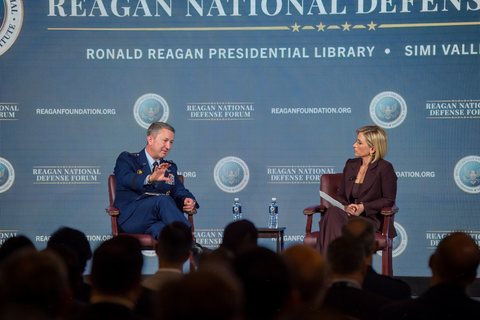
An annual gathering of defense leaders from Congress, the administration, the military and industry at the Reagan Library to debate U.S. defense policy. The 2026 forum is on December 4-5. No open registration is listed. About 20 advanced undergraduates attend through the National Defense Fellowship, run by the Reagan Institute and the Alexander Hamilton Society;
Event page ↗
The 24th Doha Forum, a yearly meeting of heads of state, ministers and experts on diplomacy, conflict and global cooperation, under the 2026 theme "Redefining Global Trust.". Attendance is by invitation only, but students can submit an Expression of Interest (the form has a "Student" option), with no guarantee of an invitation;
Event page ↗
A one-day Washington edition of the Aspen Security Forum, a nonpartisan conference where senior officials and experts debate the top national security and foreign policy issues. The main 2027 forum is July 18-20, 2027, in Napa, California. No student registration is posted;
Event page ↗The atlas's Deadlines tab ↗ has every dated deadline, beyond these two months too.
A hand-picked shelf for getting oriented — how intelligence and defense actually work, the strategy debates, the technology, and the careers. "Start here" items assume no background.

A memoir by the retired Marine general and former Secretary of Defense about leadership at every level, from leading a platoon to commanding U.S. forces across the Middle East. Also makes a strong case for allies and for reading history.
Open ↗
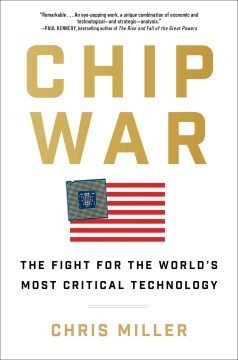
How semiconductors became the foundation of military and economic power, and why the U.S.-China competition now runs through chip factories in Taiwan and elsewhere. An accessible introduction to technology, supply chains, and the industrial base.
Open ↗
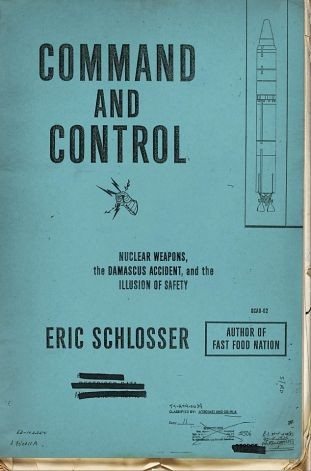
An investigative account of a 1980 accident at a Titan II missile silo in Arkansas, woven together with the history of how the U.S. has tried to keep its nuclear weapons safe and under control. An accessible way into nuclear command, accidents, and near misses.
Open ↗
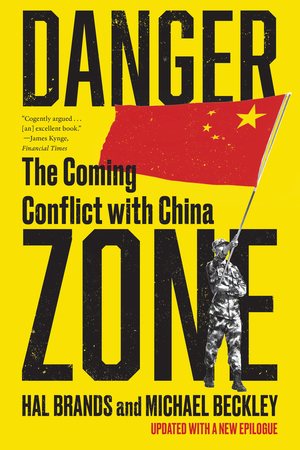
Two scholars argue that the most dangerous stretch of the U.S.-China rivalry may be a decade-long sprint rather than a century-long marathon. A short, readable entry into the debate over China and Taiwan.
Open ↗
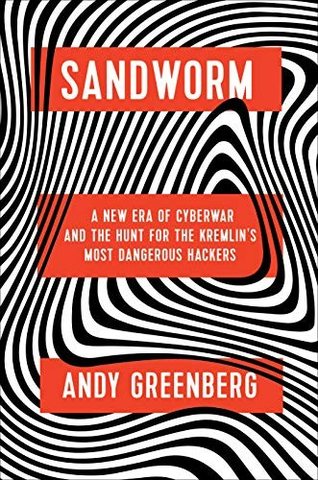
A Wired journalist's detective story about the Russian military intelligence hackers behind attacks on Ukraine's power grid and the NotPetya malware. A readable introduction to what cyberwar actually looks like.
Open ↗
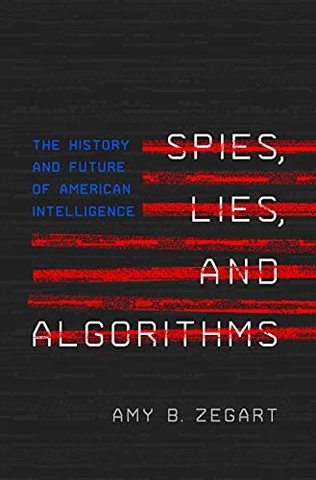
A clear, research-based introduction to how American intelligence actually works, from its history and analysis basics to covert action, oversight, and how digital technology is changing spying. A good first book for anyone curious about the intelligence community.
Open ↗
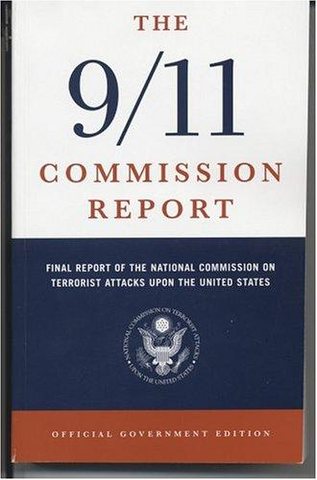
The official, bipartisan account of the September 11 attacks and the government's failures, whose recommendations led to major intelligence reforms including the creation of the Director of National Intelligence. A readable narrative, free as a PDF from the Government Publishing Office.
Open ↗
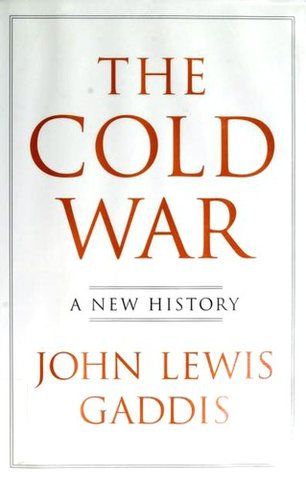
A short, lively history of the U.S.-Soviet rivalry from 1945 to its end by a leading Yale historian. The Cold War built most of today's national security institutions, so this is useful background for everything else on the list.
Open ↗
A former staff director of the Senate Armed Services Committee, now an executive at the defense tech company Anduril, explains why AI, autonomy, and networked systems are eroding the U.S. military's advantage and how the Pentagon should adapt. A readable case for defense modernization.
Open ↗
The Pulitzer Prize-winning history of al-Qaeda's rise and the intelligence failures that preceded the September 11 attacks. Important background for modern counterterrorism and for why the intelligence community was reorganized afterward.
Open ↗
The Pulitzer Prize-winning history of nuclear weapons, from the discovery of fission through the Manhattan Project to Hiroshima and Nagasaki. Long (about 900 pages) but written for general readers, it explains both the science and the people behind the nuclear age.
Open ↗
The true story of Oleg Gordievsky, a KGB officer who secretly worked for British intelligence, and his escape from Moscow in 1985. It reads like a thriller and shows how human intelligence, betrayal, and tradecraft really work.
Open ↗
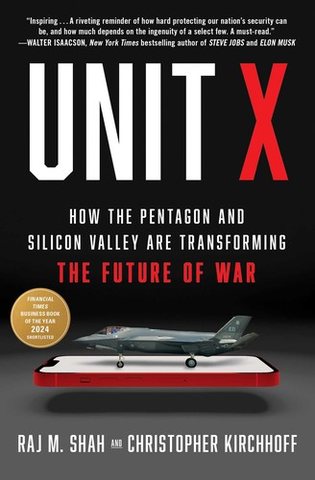
The inside story of the Defense Innovation Unit, told by two of the people who launched it, about bringing commercial startup technology into the military. A readable introduction to defense innovation and how tech careers connect to national security.
Open ↗
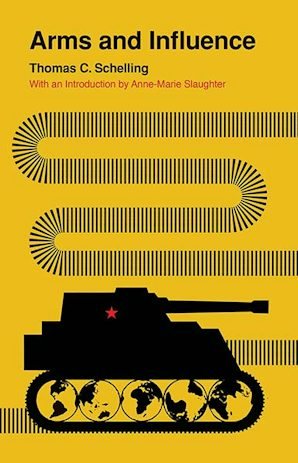
A Nobel-winning economist's foundational book on deterrence and coercion: how the threat of force, especially nuclear force, is used as bargaining power. Many core ideas in modern strategy courses trace back to it.
Open ↗
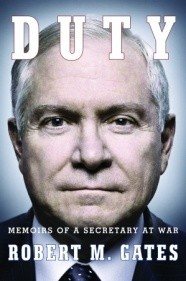
Robert Gates, a former CIA director who served as Secretary of Defense under both George W. Bush and Barack Obama, gives a candid inside account of running the Pentagon during the Iraq and Afghanistan wars. A detailed look at how the White House, Congress, and the Pentagon work together and clash.
Open ↗
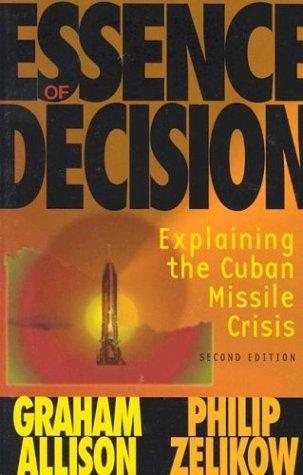
Uses the Cuban Missile Crisis to show three ways of explaining government decisions: as a single rational actor, as organizations following routines, and as bureaucratic politics. A widely assigned classic on how national security decisions get made.
Open ↗
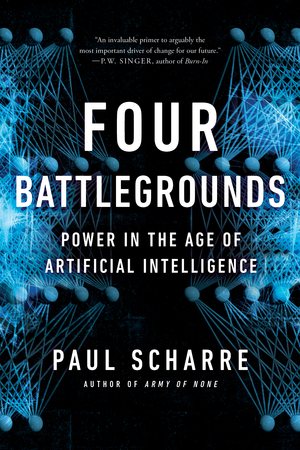
A defense expert's account of the global competition over artificial intelligence, organized around four battlegrounds: data, computing power, talent, and institutions. Rewarding for anyone interested in AI policy and military technology.
Open ↗
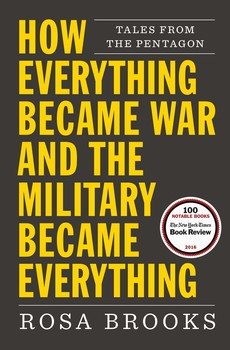
A former senior Pentagon official and law professor looks at how the line between war and peace has blurred, and what that means for the military, the law, and civilian control. Mixes memoir, history, and law.
Open ↗
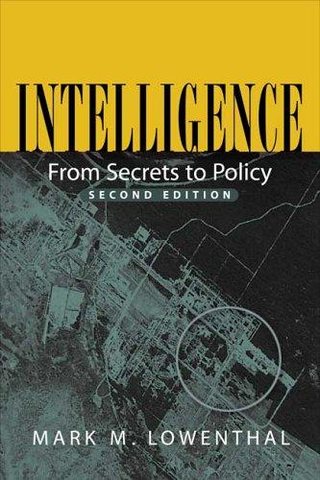
A widely used college textbook on the U.S. intelligence process: collection, analysis, covert action, counterintelligence, oversight, and how intelligence supports policymakers. The 10th edition (2025) adds coverage of AI, great-power competition, and cyber intelligence.
Open ↗
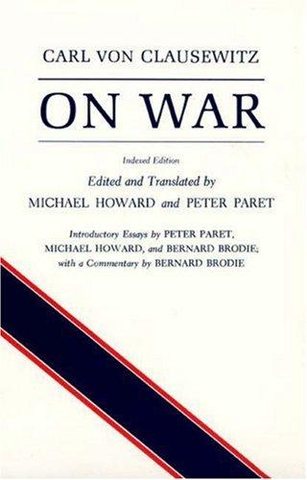
The classic study of what war is and why it must serve political purposes, still a core text in strategy and military education. The Princeton edition adds essays and a reading guide that make it much easier to work through.
Open ↗
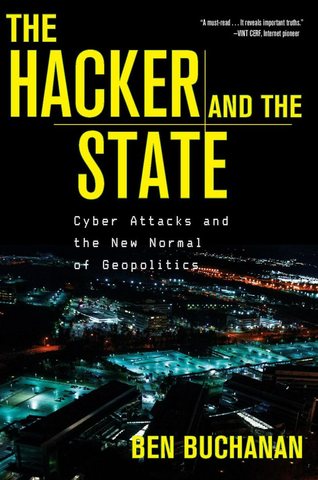
A scholar's analysis of how states actually use hacking: more for espionage, sabotage, and constant competition than for dramatic 'cyber war'. Useful for understanding how cyber operations fit into statecraft.
Open ↗
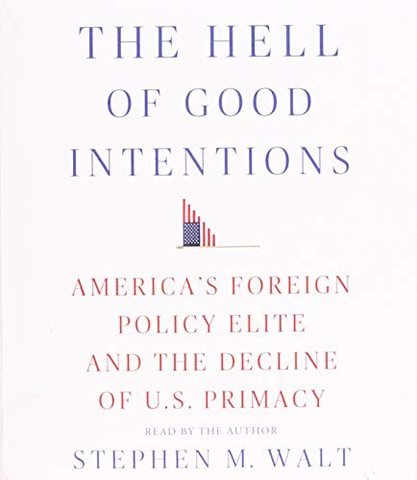
A prominent realist scholar's critique of post-Cold War U.S. foreign policy, arguing that 'liberal hegemony' led to costly wars, and laying out a more restrained alternative. Read it alongside more hawkish books to see the main debate in the field.
Open ↗
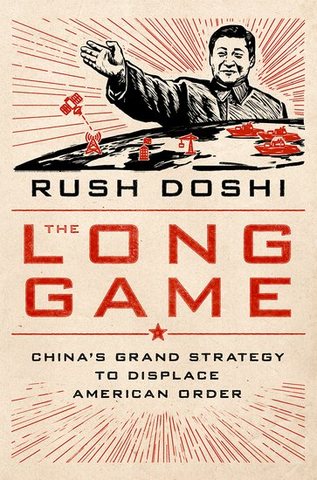
A China scholar who later served on the National Security Council draws on decades of Chinese Communist Party documents to trace how Beijing's strategy toward the United States has evolved since the Cold War, then proposes an American response. Useful for seeing China policy through primary sources.
Open ↗
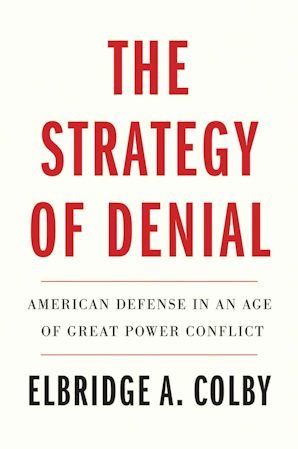
A realist argument, from the lead architect of the 2018 National Defense Strategy, that U.S. defense planning should focus on denying China the ability to dominate Asia. Useful for understanding current debates over U.S. defense priorities.
Open ↗
A weekday news briefing on cyber attacks, vulnerabilities, and the policy and nation-state angles behind them, with short expert interviews. Regular listening is a practical way to learn the vocabulary and main players of cybersecurity.
Open ↗
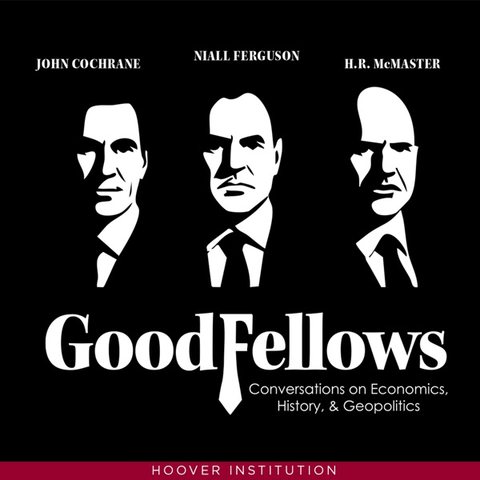
A historian (Niall Ferguson), a retired general and former national security adviser (H.R. McMaster) and an economist (John Cochrane) from Stanford's center-right Hoover Institution debate geopolitics, war, the economy and U.S. politics, often with a guest. It is opinionated and useful for hearing a conservative strategic perspective.
Open ↗
A nonprofit intelligence and national security association interviews current and former intelligence community leaders and industry executives about their career paths, from internships to senior leadership. It is practical listening for anyone wondering how people get into intelligence work and move between government and industry.
Open ↗
Frequent, practical episodes on getting and keeping jobs that require a security clearance: how background investigations work, how to get hired at the CIA, and military-to-civilian transitions. It is run by a cleared-jobs board, so treat it as career mechanics, not policy analysis.
Open ↗
The International Spy Museum's podcast, running since 2006, on how espionage works and how intelligence has shaped history. Weekly episodes feature historians, authors and former intelligence officers, often telling one operation or case in depth.
Open ↗
CSIS's Seth Jones interviews senior guests on current defense questions, recently former Deputy Secretary of Defense Kathleen Hicks on the industrial base, former Air Force Secretary Frank Kendall and Leon Panetta. It is an accessible way to hear how the defense establishment thinks about readiness, industry and new technology.
Open ↗
Each week CFR's James Lindsay interviews an expert about one foreign policy problem facing the United States, such as Iran, U.S.-China relations, tariffs or election interference. Episodes are short and nonpartisan in tone, and they show how policy debates are framed.
Open ↗
A former CIA analyst and a former longtime BBC security correspondent tell true stories of spies, defectors and covert operations, often as multi-part series (recently on Kim Philby). The main feed is free; a paid membership adds early access and bonus episodes.
Open ↗
Two scholars at the right-of-center American Enterprise Institute interview one guest a week on national security and politics, recently Chris Miller on AI and Anduril's Chris Brose on weapons stockpiles. It is short and conversational and gives a hawkish conservative view; some episodes are about domestic politics.
Open ↗
The companion podcast to the Arms Control Wonk blog, in which Jeffrey Lewis and Aaron Stein discuss nuclear weapons, missiles, missile defense, space and arms control. It is informal but technical, and a good audio route into nuclear policy once you know the basics.
Open ↗
Long interviews on China, U.S.-China technology competition, AI and the defense industry, including 'WarTalk' episodes on military technology. It is dense and wide-ranging (some episodes are about economics or U.S. politics), and it is strong on the technology side of great-power competition.
Open ↗
The podcast of the peer-reviewed Texas National Security Review, with conversations with scholars and officials on topics such as China and Taiwan, North Korea, Russia and its neighbors, nuclear escalation and undersea infrastructure. It is academic in tone and good preparation for graduate study in security studies.
Open ↗
In-depth conversations with guests from the military, academia and the policy community on insurgency, counterterrorism, special operations, proxy wars, drones and military assistance. It connects research with operational experience and suits students interested in the military or conflict studies.
Open ↗
A weekly cybersecurity news show, running since 2007 from an Australian-based team, covering state-sponsored hacking, ransomware and security policy. It is more technical and industry-facing than CyberWire, so it suits students heading toward cyber careers. Some segments (Soap Box, Snake Oilers) are sponsored vendor interviews.
Open ↗
The editor of Foreign Affairs holds long weekly conversations with scholars and former officials, recently Lawrence Freedman on modern war, Helen Toner and Kyle Chan on AI, and former NATO ambassador Julianne Smith on Russia. It assumes you follow the news and focuses on the arguments behind it.
Open ↗
Near-daily interviews on the law and policy of national security, including surveillance, war powers, terrorism, cyber and the courts. The feed also carries Lawfare's weekly 'Rational Security' roundtable and archive re-releases. It is especially useful for students considering law school or a legal policy career.
Open ↗
The main podcast of the defense and foreign policy publication War on the Rocks, with practitioners and scholars on the wars in Ukraine and the Middle East, military readiness and the armed services. It assumes some background. The main feed is free; some other shows are for paying members.
Open ↗
A former Army infantryman turned journalist talks through current wars, weapons and military news in long, conversational videos — Russia's war in Ukraine, China, drones, special operations and the Pentagon budget — giving a soldier's ground-level view of how modern combat works. Casual and opinionated; some videos include real combat footage.
Open ↗
A bipartisan Washington think tank whose channel mixes short explainers (recently: what is inside a Shahed drone) with expert panels on defense budgets, deterrence, Korea, the Middle East and biosecurity. Useful for hearing how policy professionals talk through current problems.
Open ↗
The CIA's official channel posts occasional short videos about the agency's workforce and about artifacts in the CIA Museum, plus foreign-language videos explaining how to contact the agency securely. Useful for seeing how the agency presents its mission and careers, though English uploads are infrequent.
Open ↗
The nonpartisan think tank that publishes Foreign Affairs posts short explainers, expert webinars and event recordings on U.S. foreign policy, from Arctic security to the Strait of Hormuz, with some economics videos mixed in. A good first stop for quick background on a crisis or region.
Open ↗
Britain's Imperial War Museums share short history videos drawn from their collections and veteran interviews, covering the world wars, the division of Korea, Cold War espionage and spy planes like the SR-71. An easy way to build historical background for today's debates.
Open ↗
The Washington, D.C. museum posts short artifact videos and full SpyCast interviews with historians and former intelligence officers, from Cold War stay-behind networks to the CIA's first moments in Afghanistan after 9/11. An accessible entry point into intelligence history.
Open ↗
'True Life Spy Stories': long narrative episodes on real espionage cases from the two World Wars and the Cold War to today, covering KGB defectors, CIA operations, Mossad and the NSA, plus current spy scandals. Also released as a podcast. An engaging way into the history of intelligence work; some episodes are for paying members only.

Open ↗
Documentaries, usually 25 to 40 minutes and sometimes much longer, on wars from many eras, recently the Soviet war in Afghanistan, the 2001 invasion of Afghanistan and the War of 1812, built around maps and archive material.
Open ↗
Explainers on military aircraft, ships and weapons programs, such as the Navy's F/A-XX fighter, plus defense-industry news. An easy way into defense technology.
Open ↗
The YouTube channel of a military news site, with 10-20 minute explainers on U.S. military equipment, programs and policy, such as the Army's next howitzer and Bradley replacement, the Air Force's aging tanker fleet, and new counter-drone weapons. Useful for learning how the Pentagon chooses and buys equipment and why some programs stall.
Open ↗
Minute-by-minute animated maps of major battles and operations; recent series cover Pearl Harbor and Midway. You watch a battle unfold on the map.
Open ↗
Near-daily explainers on wars and crises happening now, from Ukraine and Iran to Ethiopia, Mali and Haiti, each laying out who is fighting, why, and what could come next. Every video description lists its sources (Reuters, WSJ, Atlantic Council and others), so it is an easy way to keep up with current conflicts and then follow the reporting yourself.
Open ↗
A University of Pittsburgh political scientist who studies war uses game theory to explain current crises, bargaining and why negotiations succeed or fail, mostly about Russia, Ukraine and the Middle East. It teaches you to reason about why states fight and bargain, not just what happened.
Open ↗
Short videos and documentaries showing how investigators use satellite imagery, social media and shipping data to examine conflicts and crimes, from drone-war casualties in Mali to tracking a Russian vessel off West Africa.
Open ↗
A Washington think tank focused on U.S. national security and defense policy; its videos cover Russia and Ukraine, European rearmament, AI and security, and counterterrorism. Uploads come a few times a month.
Open ↗
Military analysis from satellite imagery and other open sources. It is best known for counting Russian tanks and armored vehicles at storage bases through 4+ years of the Ukraine war, and also covers missile forces and air defense.
Open ↗
Stanford's center-right Hoover Institution posts interviews and lectures on public policy, including national security topics such as the U.S.-China AI race and China's push into the Arctic. Economics and domestic-policy videos are mixed in, so browse by topic.
Open ↗
A center-right think tank that promotes strong American leadership; its channel posts panels with officials and scholars on deterrence, shipbuilding and the defense industrial base, Korea, China and Latin America. Some domestic-policy events are mixed in.
Open ↗
The London-based institute that publishes The Military Balance posts sessions from its defence summits plus short explainer series such as The Arms Control Primer and 'Better know a treaty.' A useful international, non-U.S. perspective on defense and arms control.
Open ↗
Video versions of Lawfare's podcasts (Lawfare Daily, Rational Security) plus live sessions, where lawyers, scholars and former officials discuss national security law, executive power, intelligence and technology policy. Best once you know the basics; much recent coverage centers on court fights over executive power.
Open ↗
A nonpartisan nonprofit working to reduce nuclear, biological and emerging-technology threats; its videos cover nuclear risk, biosecurity, AI and biology, and weapons in space. Uploads come every month or two, but it offers a direct look at the nonproliferation and biosecurity field.
Open ↗
Weekly hour-long slide presentations by an independent Australian analyst on defense economics, military procurement and the war in Ukraine; each video description lists caveats and a reading-and-sourcing section. Long, but a clear lesson in how budgets, industry and logistics shape military power.
Open ↗
A think tank that argues for military restraint and diplomacy over intervention; its channel hosts book talks, panels and short clips on U.S.-China relations, the Middle East and AI competition. The videos argue openly from that viewpoint, which makes it a direct way to hear the restraint case in its own words.
Open ↗
Interviews with former intelligence officers, military leaders and private-sector experts on threats such as a Taiwan crisis, special operations in the 'gray zone' and the Middle East.
Open ↗
The nonprofit publication behind the Doomsday Clock. It covers nuclear risk, biosecurity, climate change and disruptive technologies in plain language and has a free email newsletter; a few articles are premium. A good starting point for students interested in nuclear issues.
Open ↗
A free daily email summarizing the past 24 hours of national-security news, analysis and ideas, from the Pentagon to the battlefield to Congress. An easy way to build the habit of following defense news.
Open ↗
An email from the EU's diplomatic service about pro-Kremlin disinformation: which false stories are spreading, and how they twist real events. A clear introduction to how state influence campaigns work.
Open ↗
Fact-checking and open-source verification from Europe's public broadcasters, working together. Recent issues traced Russian disinformation in German elections and reviewed tools for spotting AI-generated content.
Open ↗
A newsletter about investigating digital deception: fake accounts, scams, manipulated media and influence campaigns, with how-to guides and a regular tool roundup. Good for learning how disinformation researchers actually work.
Open ↗
Bellingcat's own email roundup of its latest open-source investigations, guides and training workshops, sent every two weeks. Recent issues covered satellite imagery of an earthquake zone and geolocating a wildlife trafficker.
Open ↗
A national-security news site whose analysis comes largely from former intelligence, military and diplomatic officials. Its weekday Nightcap email is free with just an email address; some articles on the site are for paid Subscriber+ members.
Open ↗
A regular roundup of open-source intelligence news, new tools, and techniques, with a companion podcast. A practical way to see what working investigators are using right now.
Open ↗
Expert analysis of North Korea by email, including regular satellite-imagery reports on missile, nuclear, naval and drone sites. One of the best-known examples of open-source imagery analysis.
Open ↗
Updates from an independent group that records political violence and protest worldwide: a monthly letter from its CEO, country conflict-monitor updates, podcast episodes and webinars. Good for learning how conflict data is collected and used.
Open ↗
Research alerts and a monthly digest from a lab that investigates spyware, digital espionage and online censorship. A window into the technical forensics behind stories about hacked activists and politicians.
Open ↗
A long-time trainer of investigators writes about advanced online research methods, including how to use AI tools carefully. Some issues apply OSINT to national-security topics, such as Russia's military recruiting.
Open ↗
A fortnightly digest from a Brussels-based research group on disinformation: new research, platform and policy changes, tools, and upcoming events. Good for seeing how Europe is responding to influence operations.
Open ↗
A free email from the worldwide network of investigative journalists, with new guides, tipsheets and training. Recent issues covered reporting in conflict zones and research with georeferenced data.
Open ↗
A roundup of research from an independent institute that tracks extremism, disinformation and online harms, including how online networks feed real-world violence. Shows how analysts research online threats from open sources.
Open ↗
A monthly letter from an experienced open-source investigator. Each issue walks through a real technique (satellites, maps, disaster data) step by step so you can try it yourself.
Open ↗
The Army War College's refereed journal on strategy and land power, written for senior officers and national-security professionals. Every article in the current issue can be downloaded as a free PDF. It shows how the military's senior schools think about war.
Open ↗
An online journal from the Hoover Institution in which historians, analysts and military officers look at a current security problem in light of past wars. Each issue takes one question, such as maritime chokepoints, and gives several short answers. Readers can subscribe to be notified of new issues.
Open ↗
A peer-reviewed, open-access journal that publishes scholarly articles alongside shorter pieces aimed at policymakers. Every issue is free to read online, which makes it an accessible way into academic security studies.
Open ↗
Lawfare's free daily roundup, plus a weekly 'The Week That Was', covering the legal side of national security: surveillance, war powers, cyber, courts and Congress. Best for readers who want to understand the rules that govern security decisions.
Open ↗
An online magazine of essays on strategy, defense and foreign policy by practitioners and scholars, with a free email newsletter. Most articles are free; some are for paying members. Its short, argued pieces show how people inside the field debate.
Open ↗
Independent Russian outlet that reports drone strikes, fires, military incidents and repression inside Russia, often with local photos and video. Open-source researchers such as CIT draw on it heavily for strike monitoring. Perspective: independent Russian, critical of the Kremlin. Sourcing: fast-breaking posts often rely on residents' videos, officials and unnamed sources, so wait for confirmation. Posts in Russian.
Open ↗
The English channel of Carnegie Politika, the Berlin-based Carnegie Russia Eurasia Center's analysis platform. It posts short summaries and links to expert analysis of Russian politics, the war, Central Asia and the Caucasus. Perspective: think-tank analysis and expert opinion, not raw OSINT; many authors are Russian experts critical of the Kremlin.
Open ↗
An independent team that investigates the Russian military using open sources. Its main channel posts weekly front-line and mobilization dispatches and daily volunteer summaries of strikes on civilians; English versions of the dispatches are on notes.citeam.org. Perspective: independent Russian, anti-war and critical of the Kremlin. Posts in Russian.
Open ↗
The English channel of an independent open-source investigation team that covers the Russia-Ukraine war. It posts daily volunteer summaries of strikes on civilian infrastructure and links to English situation reports that analyse frontline videos.
Open ↗
Daily posts on free OSINT tools and techniques: search engines, geolocation, Telegram and username research, web archives and cybersecurity guides. A good way to build a research toolkit. Perspective: neutral and technical.
Open ↗
Ukrainian project behind DeepStateMap, a widely used map of the front line. The channel posts map updates on Russian and Ukrainian advances plus news on Ukraine, sanctions and diplomacy. Perspective: openly pro-Ukrainian; its founders told NPR the Ukrainian military uses the map and that they sometimes delay adding details that could compromise Ukrainian military security, so it is not neutral. Posts in Ukrainian.
Open ↗
Persian-language fact-checking platform focused on Iran. It checks officials' statements and debunks miscaptioned photos and videos circulating in Iranian media and social networks. Perspective: diaspora-based and critical of Iranian government claims. Posts in Persian.
Open ↗
GIJN's Russian-language channel shares investigative methods, tool guides, trainings and grants, such as its new guide to investigating technology and AI in modern warfare. Perspective: professional journalism network, not a news source. Posts in Russian.
Open ↗
Independent Russian investigative newsroom that uses leaked and open data to investigate corruption, the security services and the war. The channel posts short explainers and links to its investigations. Perspective: independent Russian, critical of the Kremlin; declared 'undesirable' in Russia in 2022. Posts in Russian.
Open ↗
Map-based news service that pins short reports of strikes, protests and diplomacy to a map. The English channel posts headlines from its Ukraine, Iran, Yemen and other regional maps. Background: Began in 2014 covering the war in Ukraine and now covers more than 30 regions. Sourcing: one-line summaries often relay a government's or armed group's statement without a verdict, so open the linked map entry and its source.
Open ↗
Independent Russian outlet covering courts, the security services and the war. With BBC News Russian it keeps a running count of Russian soldiers killed in Ukraine, built name by name from obituaries and other public sources. Perspective: independent Russian, anti-war and critical of the Kremlin. Posts in Russian.
Open ↗
Russian-language fact-checkers who debunk viral claims, miscaptioned war imagery and AI-generated fakes, and explain how they checked. Useful for learning verification step by step. Perspective: independent, opposes Kremlin propaganda. Posts in Russian.
Open ↗
Ukrainian data-journalism newsroom that analyzes Russian propaganda, manipulation on Telegram and battlefield data. The channel links its long-form analysis, about one post per weekday. Perspective: Ukrainian. Posts in Ukrainian.
Open ↗
Independent Russian investigative outlet known for joint investigations with Bellingcat into Russian intelligence operations. The channel posts news, investigations, debunks of Russian state-media fakes and a daily front-line summary. Perspective: independent Russian, strongly critical of the Kremlin. Posts in Russian.
Open ↗
English-language Ukrainian newsroom. Its official channel posts breaking news and daily 'Ukraine war latest' roundups that link to full articles. Perspective: Ukrainian.
Open ↗
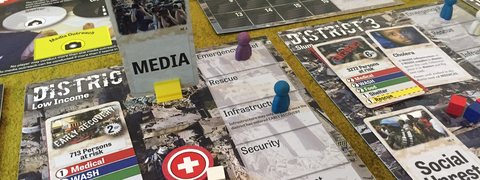
A cooperative board game in which players (government, a military relief task force, the UN and NGOs) coordinate help after an earthquake in a fictional country, built to teach how agencies work together in a crisis. $132.99 for the boxed game; 1-12 players, 90-120 minutes, ages 14+.
Open ↗
A page of 19 short print-and-play games on insurgency and counterinsurgency, political crises, urban operations and displaced civilians, from Guerrilla Checkers to Kashmir Crisis and Ukrainian Crisis. Free download; print and play.
Open ↗
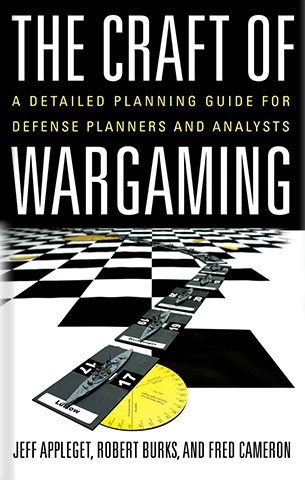
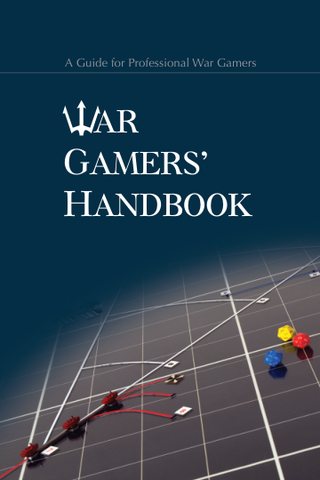
The German armed forces' handbook on wargaming, with a foreword by the Chief of Defence and an example game (HyDRA, on a hybrid attack) designed with students of the German general staff officer course. Free download (German original on the Bundeswehr site; an English edition is in the Connections UK library).
Open ↗
Free role-play case studies from the Council on Foreign Relations that put students in the shoes of policymakers. Mini simulations run one to two days of class; cases include the future of NATO, strategic ambiguity toward Taiwan, the response to 9/11 and who owns space. Designed for classrooms and clubs.
Open ↗
A university research group, founded in 2017, that runs public lectures and workshops, a Wargaming Week and a free newsletter, and supports King's wargaming master's module. Its 2026 Wargaming Week included a design workshop for people who had never built a wargame.
Open ↗
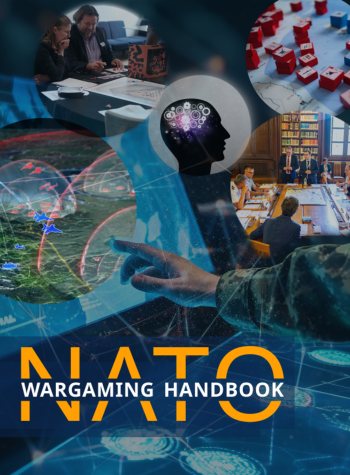
A short, plain-language reference (64 pages) from NATO's Allied Command Transformation that sets out common wargaming vocabulary and the steps of a professional wargame, from design to analysis and reporting. Free download.
Open ↗
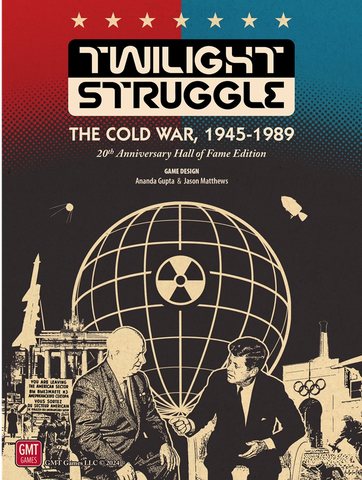
A two-player card-driven board game of the U.S.-Soviet Cold War, where historical event cards drive a contest for influence around the world from 1945 onward. $94 for the 20th Anniversary edition from GMT; the rulebook is a free PDF on the page.
Open ↗
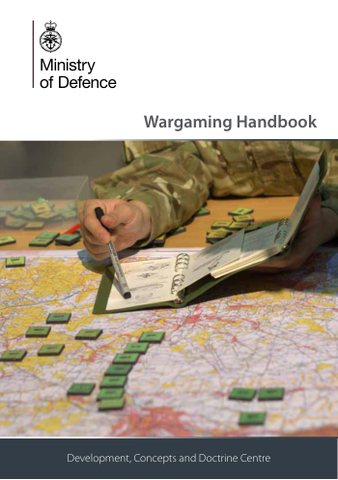
The UK Ministry of Defence's 112-page introduction to what wargames are, the main types, and how they are used for education, training, planning and decisions, from tactics up to national strategy. Free PDF download.
Open ↗
CNA's collection of papers by Peter Perla, author of the classic book The Art of Wargaming, including 'Wargame Pathologies', 'Wargame-Creation Skills and the Wargame Construction Kit' and 'Conversations with Wargamers'. Free PDF downloads.
Open ↗
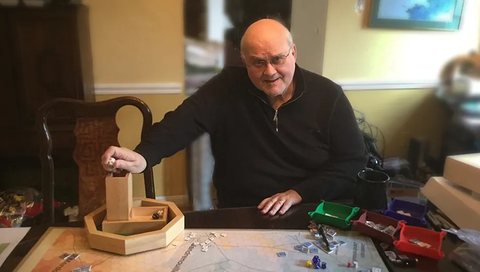
A detailed PC simulation of modern air, naval, land, space and cyber operations on a real-world map, and the commercial sibling of Command: Professional Edition sold to defense users. $79.99 for the base game on Windows PC, with optional paid scenario packs.
Open ↗
An annual unclassified conference, held every year since 1993, that brings together wargaming practitioners from the military, government, academia and industry; there is no conference fee and international participants are welcome.
Open ↗
The UK's main professional wargaming conference, open to anyone interested in professional wargaming or serious games; its Downloads page is a free library of national wargaming handbooks (UK, NATO, U.S., French, German and Polish).
Open ↗
A simulation-based competition in which teams of four university students respond to an evolving fictional cyber crisis with written briefs and spoken policy recommendations to expert judges. Rounds are held in several cities; the 2025-26 season included New York, Monterey, Paris, Austin and Washington.
Open ↗
RAND's tabletop strategy game in which players represent the United States, its partners and its competitors and must balance limited forces and money in a global security situation. The rulebook, player guide and glossary are free PDF downloads; a physical copy costs $275 plus shipping from RAND.
Open ↗
A UK guide to wargaming information, persuasion and influence, effects that are hard to show in traditional military games. Free 142-page PDF (Open Government Licence), with a linked talk by the authors hosted by the Georgetown University Wargaming Society.
Open ↗
A one- or two-player card-driven board game about the post-9/11 struggle between the United States and jihadist networks, covering military action and the wider contest over governance and ideas. Regular price $86 at GMT (listed on sale at $51).
Open ↗
A board game for individuals or teams exploring hypothetical conflicts and crises around the Baltic Sea, with an emphasis on logistics; scenarios take 2-3 hours. $90 from the nonprofit Dietz Foundation; it is the second game in the series after Littoral Commander: Indo-Pacific.
Open ↗
A history of wargaming from ancient times to today, with advice on making wargames more useful. Free PDF from the U.S. Naval War College.
Open ↗
A long-running blog on wargaming and conflict simulation, publishing since 2009, with game reviews, design advice, a research bibliography and news of professional courses. A free way to learn how militaries and governments use games to think through war and crises.
Open ↗
A step-by-step textbook from Naval Postgraduate School faculty on building analytical wargames, from defining the problem to analyzing results, with practice exercises and case studies. Paid book (paperback listed at AUD $39.99 by the Australian distributor).
Open ↗
A widely discussed think-tank report on a wargame run 24 times, showing how analysts use games to explore a possible future war and what they concluded. Free report and PDF.
Open ↗
A practical 100-page guide from the Naval War College's War Gaming Department on how professional games are designed, run and analyzed. Free download; the college allows free reproduction for academic and non-commercial use.
Open ↗
Short, nonpartisan explainers that Congress's research service writes for members and staff. Topics include the defense budget process, the NDAA, military officers and enlisted personnel, and how the Pentagon is organized. Search 'Defense Primer' on Congress.gov.
Open ↗
The official guide to internships and co-ops across the 18 U.S. intelligence agencies, including NSA programs for high-school students. It explains that students need a background investigation for a clearance, which skills help (languages, study abroad, military service) and that applications are due 6 to 9 months ahead.
Open ↗
CISA's interactive map of cybersecurity work roles, built on the NIST NICE Framework. Students can compare roles, try short hands-on micro-challenges and follow a career roadmap into cyber jobs.
Open ↗
An annual report card on the U.S. military's capacity, capability and readiness and on the threats posed by major adversaries, from the conservative Heritage Foundation. Free to read online. Read it alongside other sources; its rating scheme is a useful way to see how analysts measure military power.
Open ↗